How UC Santa Cruz connected a new IT research lab in less than a day, without taking on years of leased-line costs.
The Challenge
UC Santa Cruz (UCSC) worked with Transcelestial and local distributor to bring high-bandwidth connectivity to an IT research lab located across a roadway from the existing campus network. The lab supported modern software engineering and AI-related workloads, so the connection needed to be stable, dedicated, and fast.
UCSC was not planning to install its own fiber. The practical alternative was a third-party fiber lease projected to cost more than US$150,000 over five years. At the same time, the university was interested in testing a new technology that could provide the required capacity without creating a long-term leased-line dependency.
For UCSC, the question was not whether more bandwidth was needed. It was how to bring the lab online quickly and reliably while avoiding the cost and dependency of a multi-year fiber lease.
The Laser Leap
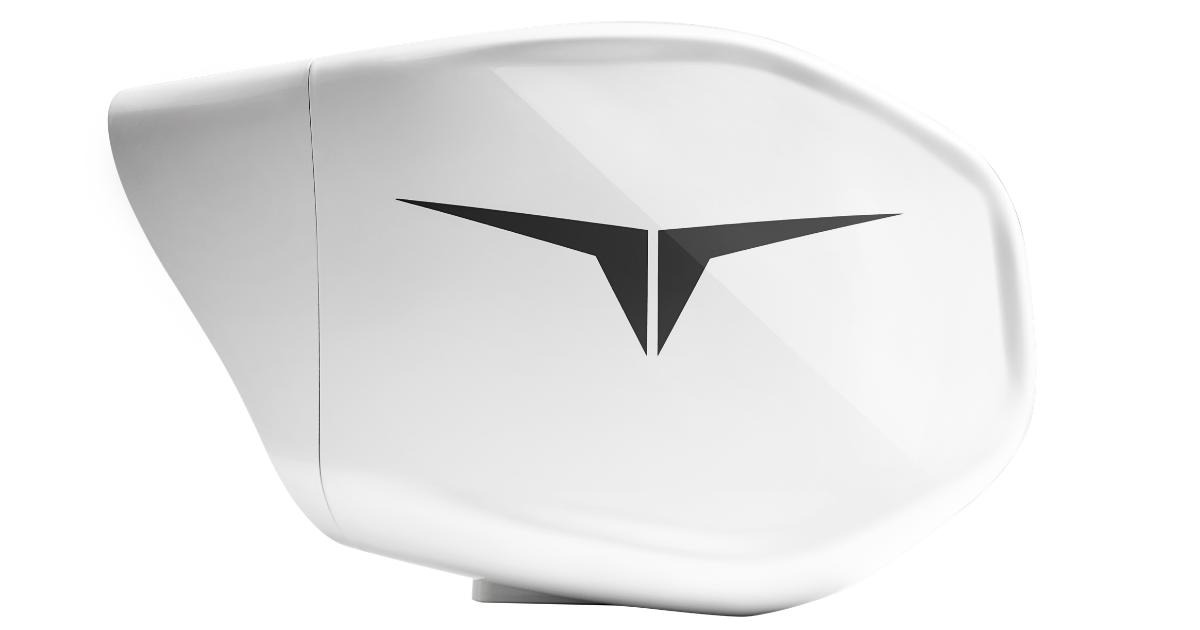
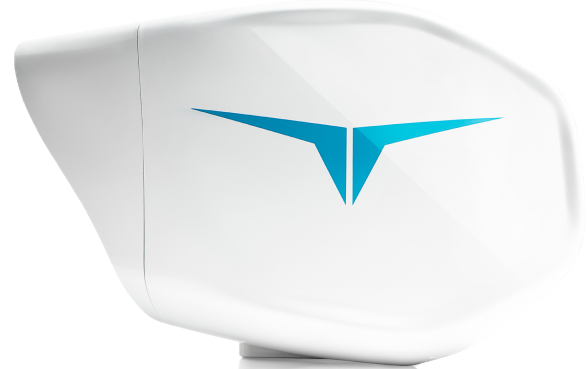
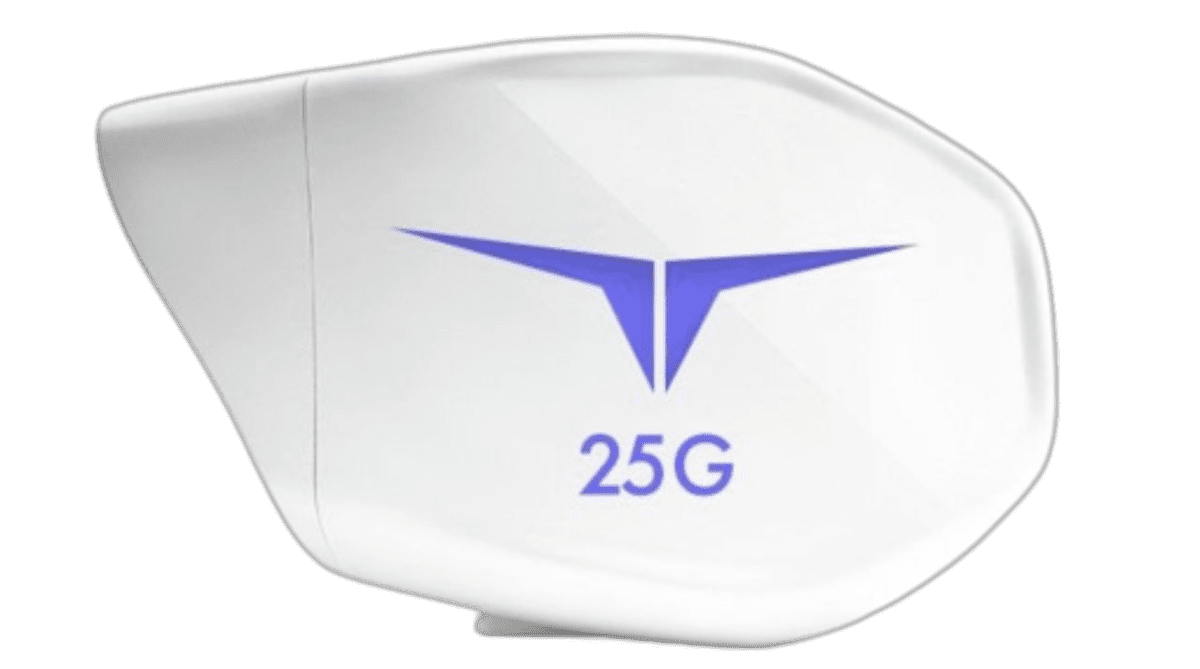
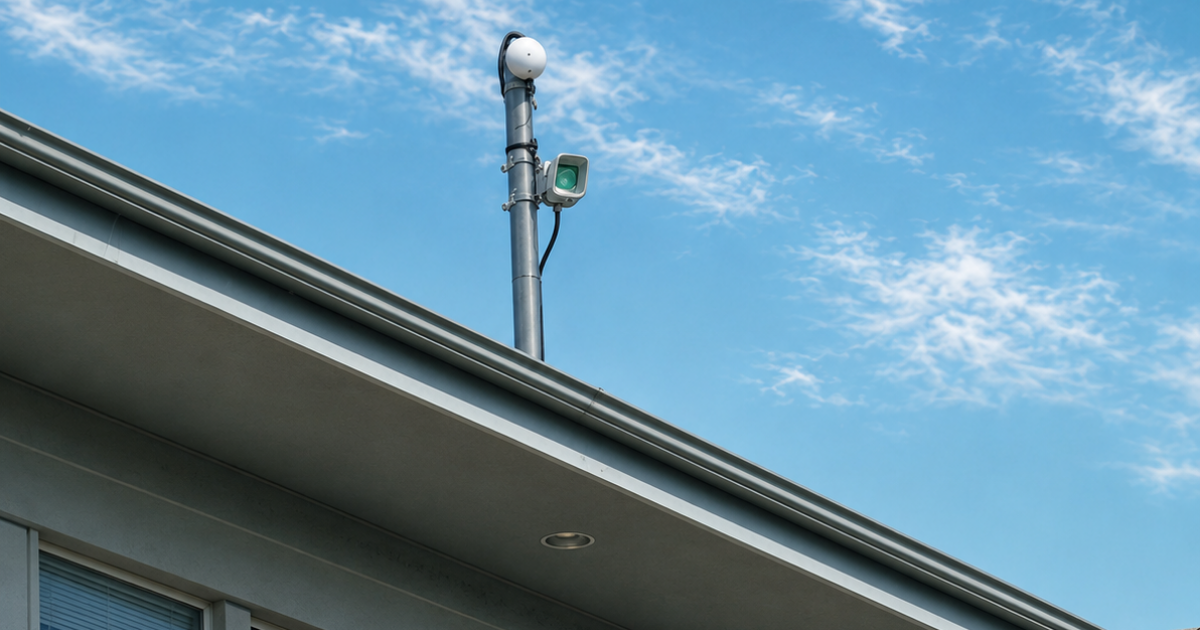
CENTAURI transmits high-speed data through the air using laser light, giving UCSC a way to avoid a long-term leased-fiber dependency while testing optical wireless technology. The link was installed and configured in less than a day, with upfront infrastructure costs of roughly US$20,000.
The result was a campus-owned, high-capacity optical wireless connection built for real operational use, not a one-off experiment.
At-a-Glance
| Metric | UCSC result | Why it mattered |
| Projected fiber lease cost | More than US$150,000 over five years | Made recurring OPEX the expensive option |
| CENTAURI infrastructure cost | Roughly US$20,000 upfront CAPEX | Shifted the link to a campus-owned asset |
| Setup time | Less than one day | Enabled rapid service without a lengthy leased-line provisioning process. |
| Primary link | 10G CENTAURI optical wireless | Delivered high-capacity connectivity between buildings |
| Backup link | Parallel 1G RF backup | Added redundancy for unusually severe conditions |
| Observed uptime | 99.99% since the beginning of 2026 | Showed reliability in a difficult coastal environment |
Deployment Path
| Phase | What happened |
| Site evaluation | UCSC identified a line-of-sight path between the IT research lab and existing campus network infrastructure. |
| Install and configuration | CENTAURI units were deployed and configured in less than a day. |
| Hybrid resilience | The university paired the 10G optical wireless link with a 1G RF backup link for additional redundancy. |
| Live operations | Operational data showed the RF backup was rarely needed, even with frequent coastal fog. |
Results That Matter
| Outcome | Impact |
| Cost avoided | UCSC avoided more than US$100,000 in projected multi-year operating costs compared with leased fiber. |
| Campus control | The university kept ownership and direct management of the network link. |
| Rapid deployment | The connection moved from installation to operation in less than a day. |
| Fog resilience | The optical link maintained stable performance in coastal fog, supported by dynamic automatic power control. |
| Clean spectrum | The deployment delivered zero RF interference while keeping RF available as a backup layer. |
Reliability in Coastal Fog

UCSC’s campus sits near the Pacific coastline, where dense marine fog can roll inland. Those conditions are historically difficult for infrared optical systems because fog can attenuate and scatter the signal.
That made the deployment a useful test of optical wireless performance in a demanding environment. Since the beginning of 2026, the UCSC link has sustained:
- 99.99% uptime
- less than 4.5 minutes of total unmitigated downtime per month
- multi-gigabit full duplex throughput
- near-zero latency
- zero RF interference
The RF backup was available, but operational data showed it was rarely required in practice.
Why It Matters for UCSC
- Speed to service: The lab came online in less than a day without waiting for a leased fiber connection to be provisioned.
- Lower long-term cost: UCSC avoided a leased fiber model projected to exceed US$150,000 over five years.
- Campus-owned infrastructure: The university retained control of the link instead of depending on an outside provider.
- Resilience in a hard environment: The link performed through frequent coastal fog, one of the harder conditions for optical wireless networking.
What This Means for Other Campuses
Universities are adding AI labs, engineering spaces, research clusters, and distributed compute environments faster than campus fiber plans can always keep up. The hard part is often not demand. It is the physical route between buildings.
For campuses facing roadway crossings, protected spaces, right-of-way issues, or long construction timelines, optical wireless can act as a practical infrastructure layer: fast to deploy, campus-owned, and able to deliver high-capacity connectivity without digging.
UCSC’s deployment shows that a campus expansion project can move from planning to live service quickly, without giving up reliability.
Next Opportunities
After this deployment, UCSC is exploring opportunities for:
- higher capacity optical wireless links
- longer distance deployments
- expanded connectivity across additional campus environments
Call to Action
Need to connect a campus building, lab, or research site without waiting on fiber construction?
Transcelestial can assess line-of-sight suitability and deployment options for high-capacity optical wireless links across education environments.
——- END OF ANNOUNCEMENT——-
For press enquiries and requests, please contact: Rachael De Foe ([email protected])
For more, visit our website www.transcelestial.space OR follow us on X (@trans_celestial)
For sales enquiries, please contact: [email protected]
For more information, visit https://linktr.ee/transcelestial